Recently, I was having coffee with some newfound friends who, like me, are entrepreneurs. An hour into our lively discussion, the conversation hit an unexpected standstill. After an awkward fifteen-minute silence, one well-to-do gentleman broke it with a curious question: What’s the big fuss about brands, anyway? He admitted he had done well without a strong one and couldn’t understand why businesses pay others to “dress up” their company.
I chuckled at his choice of words—dress up—and decided to drive the point home with something relatable. It took me just five minutes to make my case, using the very brands he had on him: an iPhone, a Mercedes-Benz, Gucci shoes, and an Audemars Piguet watch. I walked him through why these brands appealed to him, even though there were countless competitors in the market. By the end of the conversation, he begrudgingly conceded that branding was more crucial than he had ever given it credit for. That exchange left me with a lingering thought—how many businesses are unknowingly stagnating simply because they overlook this game-changing element? And so, this article was born.
So, What Is a Brand, Really?
Let’s clear the air right away—your brand is not your logo. It’s not your color palette, your typeface, or even that snazzy tagline you paid a small fortune to craft. While these are all part of the branding toolkit, they are not the brand itself. A brand, at its core, is a living, breathing entity that exists in the minds of your customers. It’s what people say about you when you’re not in the room. And if no one’s talking? Well, that’s a branding problem. A brand is the culmination of perceptions, emotions, and experiences associated with your business. It’s the promise you make and—more importantly—the one you consistently keep. Think of it as the personality of your company. Are you bold and innovative? Sleek and sophisticated? Friendly and approachable? Your brand should have a clear identity that resonates with your audience.
The DNA of a Strong Brand
A strong brand is built on a few foundational elements that work together to create a seamless and memorable experience.
1. Purpose & Values: Why Do You Exist?
This isn’t an existential crisis—it’s about knowing why your company exists beyond making money. Customers today aren’t just buying products; they’re investing in brands that align with their own beliefs and values. If your brand has a clear purpose, it attracts like-minded people who become loyal advocates. Purpose isn’t just a statement on your website—it should drive decisions, inform messaging, and guide your long-term strategy.
2. Voice & Personality: How Do You Speak?
A brand without personality is like a conversation with an answering machine—dull and forgettable. Are you witty and playful like Oreo Cookies? Luxurious and aspirational like Chanel? Or rebellious and rule-breaking like Harley-Davidson? Your brand’s voice should be distinct and consistently used across all touchpoints. Your messaging should feel like a conversation with your audience rather than a corporate monologue.
3. Visual Identity: Dressing the Part
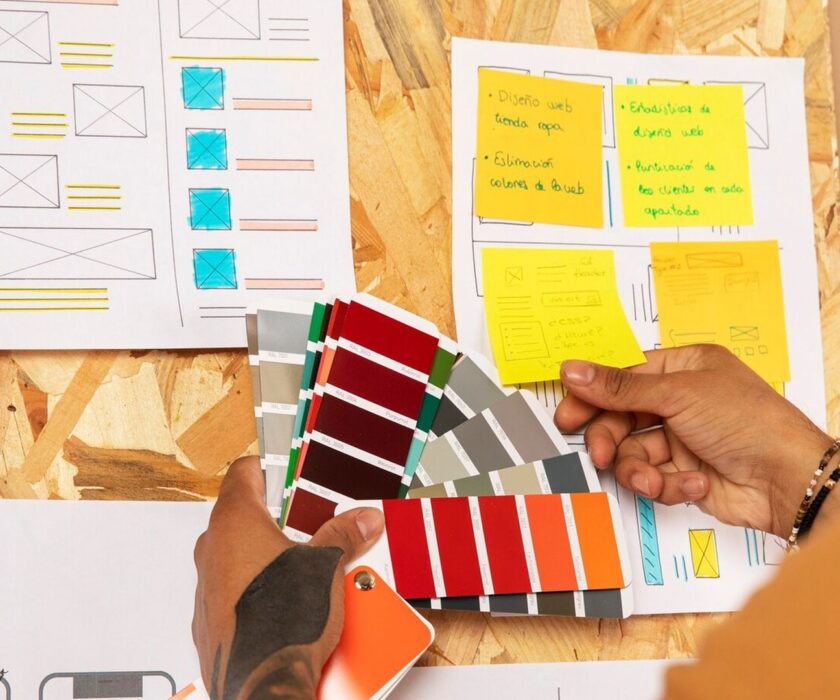
Yes, your logo, colors, and design style do matter—but they should be an extension of your brand, not the brand itself. These elements should visually communicate your personality, making you instantly recognizable. If your visuals scream "corporate law firm" but you’re actually a fun-loving creative agency, there’s a disconnect that needs fixing. Every aspect, from typography to imagery, should reinforce your brand story in a way that’s both intentional and engaging.
4. Customer Experience: Walking the Talk
Your brand is not what you say it is; it’s what your customers experience. Every interaction—from the first website visit to post-purchase support—shapes their perception. If you promise "unparalleled customer service" but your support team responds three weeks later with a robotic "Dear Valued Customer" email, you’ve just obliterated your brand trust. A cohesive and frictionless experience should be the standard, not the exception.
5. Emotional Connection: The Secret Sauce
People don’t buy products—they buy feelings. Apple makes you feel innovative. Nike makes you feel unstoppable. Disney makes you feel magical. If your brand can tap into emotion, you’re not just selling; you’re creating lifelong relationships. When customers connect with your brand on a personal level, they become more than just buyers—they become brand advocates who willingly spread the word.
Branding Myths (That Need to Die Immediately)
Myth #1: A Brand is Just a Logo
We’ve covered this, but let’s repeat it for the folks in the back: a logo is an identifier, not the brand itself. It’s like saying a person is just their hairstyle—sure, it helps with recognition, but there’s a lot more underneath.
Myth #2: Branding is Just for Big Companies
Nope. Whether you’re a multinational corporation or a one-person Etsy shop, branding matters. In fact, small businesses can leverage branding to create a niche identity that competes with larger players. Strong branding helps businesses stand out in crowded markets, build trust faster, and cultivate lasting customer relationships.
Myth #3: Once You Build a Brand, You’re Done
Think again. Brands evolve. Consumer expectations shift, markets change, and what worked yesterday might be irrelevant tomorrow. A strong brand stays true to its essence while adapting to remain relevant. The best brands continually assess their positioning, refine their messaging, and adjust their strategies to meet changing customer needs.
Crafting a Brand That Sticks
- Know Your Audience: Speak to them, not at them. Understand their desires, pain points, and aspirations.
- Be Consistent: From your website to your social media to your customer service, ensure a cohesive experience.
- Deliver on Your Promise: If your brand stands for reliability, be reliable. If it stands for fun, make every interaction enjoyable.
- Stay Authentic: People can smell inauthenticity from a mile away. If your brand voice doesn’t match your actual business culture, it will show.
Final Thought: Brands are Built, Not Bought
You can’t slap a logo on a product and call it a day. A brand is cultivated through every touchpoint, every interaction, and every experience. It’s what makes you memorable, trustworthy, and—dare we say—iconic.
So, if you’re looking to just get a logo, you’re thinking too small. Think bigger. Think brand. Think Expona-level impact.
Now, go build something unforgettable.